Announcing Trento Version 3.0
Version 3.0 marks a milestone in the development of Trento by extending the application scope to automation with a first set of operation use cases, and beginning to explore the potential of AI with MCP integration.
First Operation Use Cases
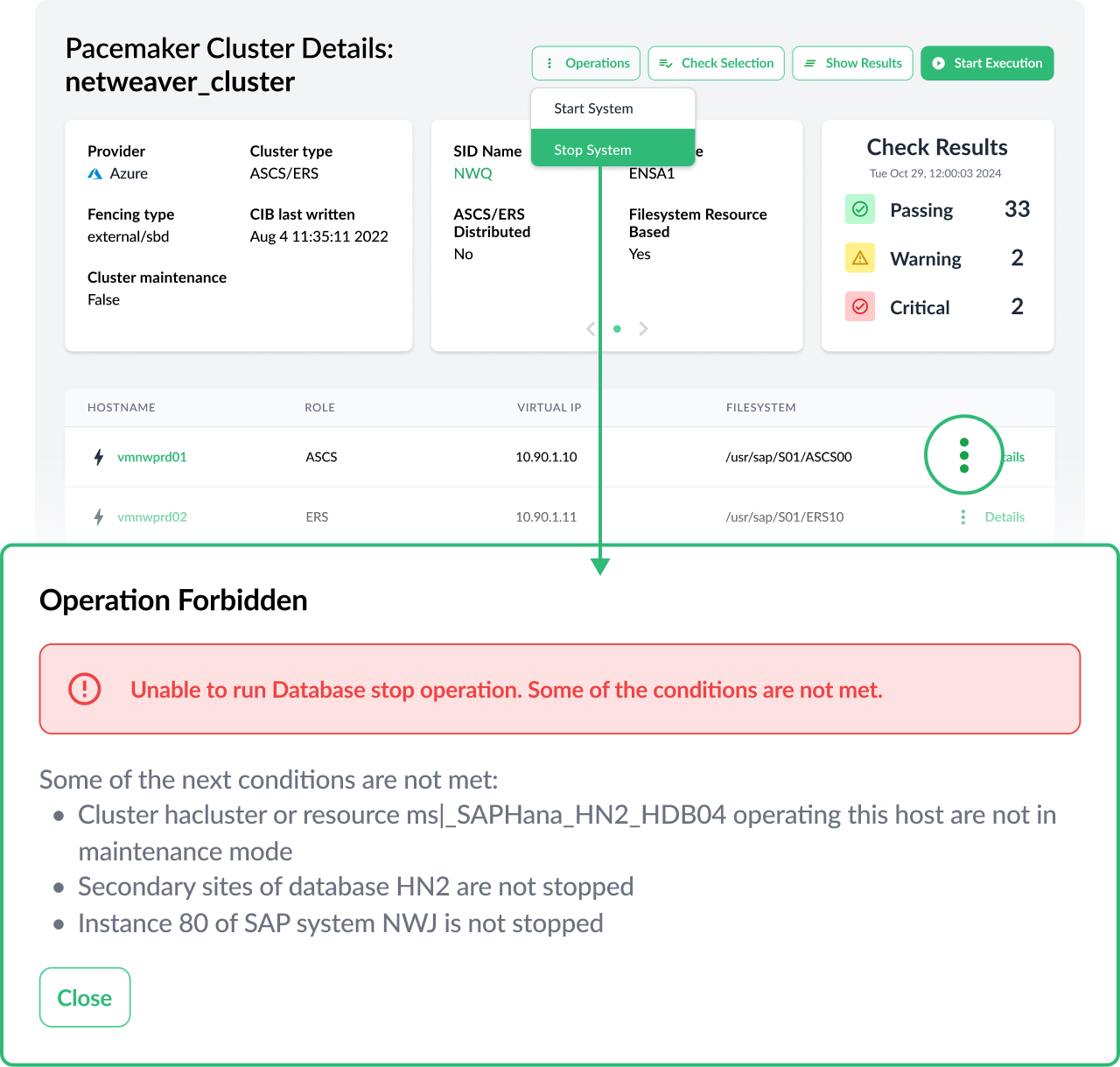
Version 3.0 comes with a set of operations that will allow users to prepare their clusters for offline maintenance. This first set of operations includes host operations (saptune apply, saptune change, reboot), cluster operations (turn maintenance on/off, enable/disable pacemaker service at boot, node stop/start), HANA operations (stop/start database) and SAP operations (stop/start SAP instance, stop/start SAP system). Operations in Trento are ruled by four principles:
- They are protected by permissions: only users with the right permissions can perform operations.
- The path in the UI to access a particular operation is a contextual one. This is helpful when you have different possible targets for the same operation in the same registered component. For example, setting maintenance on a cluster. You can do it at cluster level or at node level or a resource level: the path to be used in the UI will depend on the particular target.
- They include internal policies that safeguard users from requesting them when the execution violates documented, well established best practices. For example, you can not operate an SAP instance using SAP tools if the instance is managed by a cluster unless the cluster or the corresponding resource are in maintenance mode.
- Only one operation at a time is allowed on any given target.
Model Context Protocol (MCP) Integration
Trento 3.0 includes a new component, the Trento MCP Server, which directly connects your enterprise LLM to the deep, real-time observability of the Trento platform, transforming your AI into an expert for your most critical SAP landscapes. It leverages Trento’s powerful discovery engine to provide a live, detailed inventory of your entire SAP infrastructure—including HANA databases, application servers, and complex Pacemaker high-availability (HA) clusters. By securely exposing Trento’s continuous health checks and SUSE best-practice validations via the Model Context Protocol, you empower your LLM to move beyond generic advice. Your AI can now instantly diagnose real-world misconfigurations, understand complex HA cluster statuses, and generate actionable remediation plans based on the actual, live state of your production SAP systems.
A Stronger Core and Improved Capabilities Around Observability and Compliance
Trento 3.0 continues to strengthen the core and the capabilities around observability and compliance:
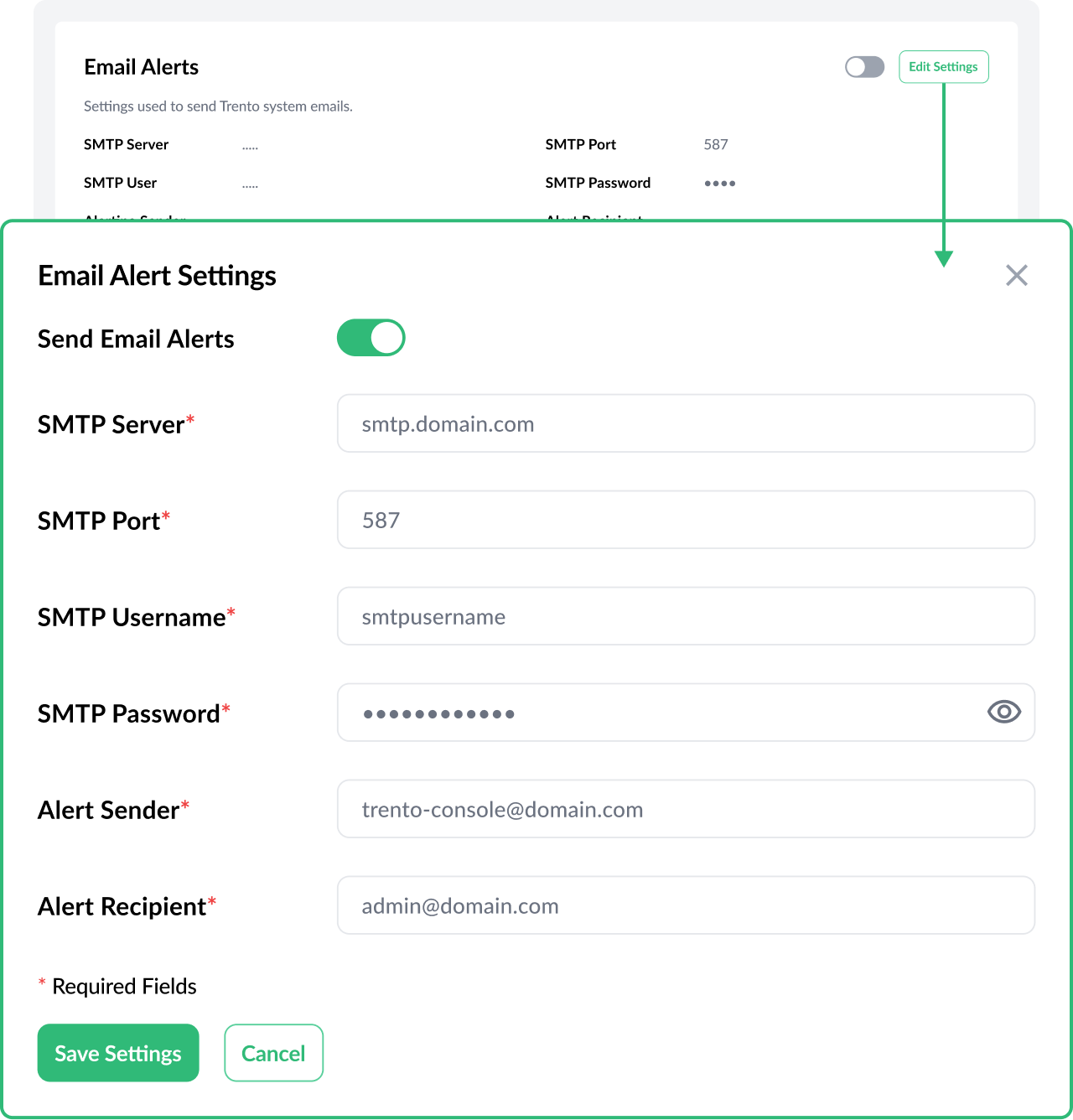
- A more flexible, secure alert emails configuration.
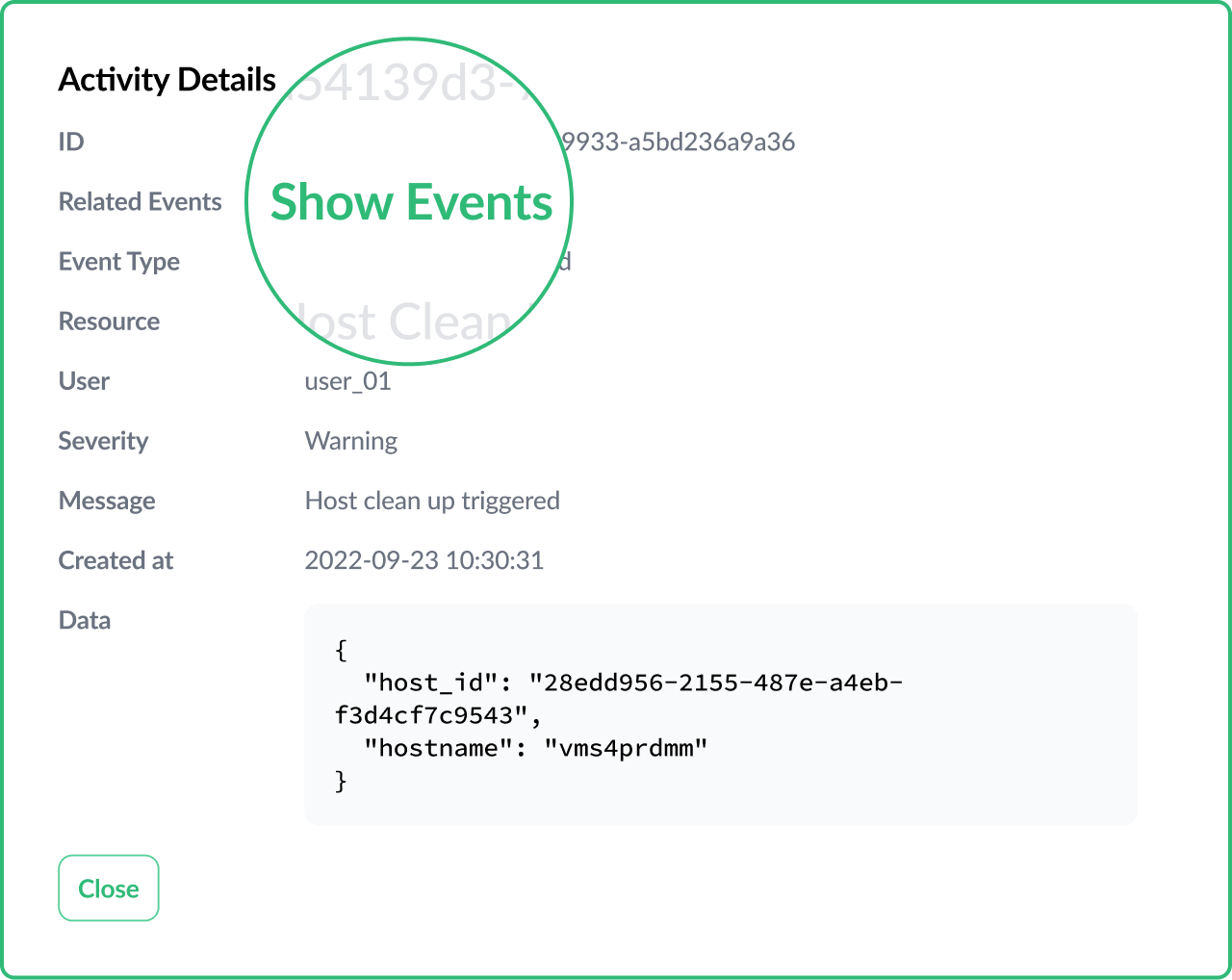
- A more helpful activity log with correlation of entries.
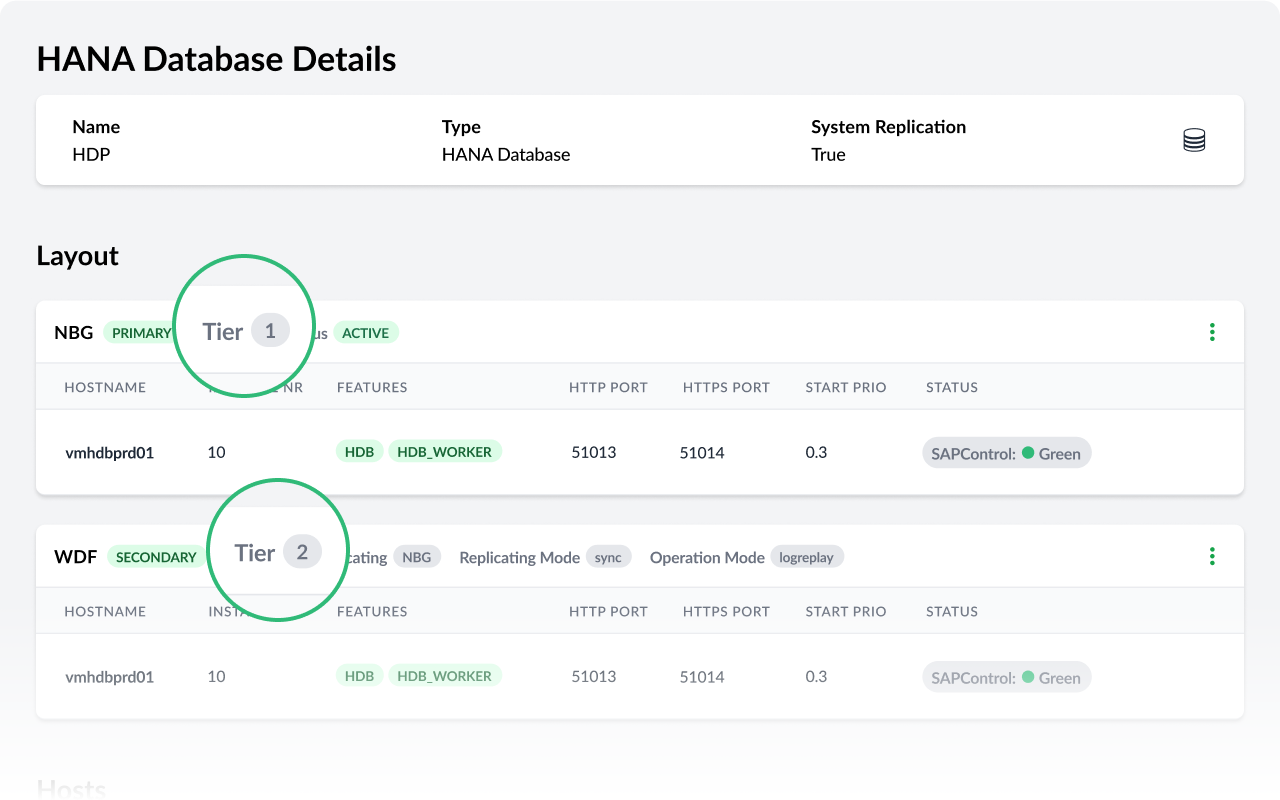
- Improved observability around offline clusters and HANA native HA scenarios (including multi target/tier setups).
- Improved configuration validation with additional scenario-specific checks.
Are you wanting to upgrade or try out Trento?
Follow the instructions in our documentation to get started.
Related Articles
Apr 28th, 2025
Kubernetes Liveness Probes: A Practical Guide
Mar 04th, 2026
Beyond Uptime: Managing Modern SAP Operations